
Energy-Efficient HVAC Upgrades in Jacksonville, FL
If your system is working harder than it should to keep up with Jacksonville's heat, it may be time to look at what a modern, high-efficiency air conditioning or heating system can do for your home or business. Energy-efficient HVAC upgrades replace aging, underperforming equipment with systems built to deliver better comfort at a lower operating cost. Whether you are managing a single-family home or a light commercial property, the right upgrade can meaningfully reduce energy bills and improve year-round reliability.
Efficiency Upgrades in Jacksonville, FL
When an Older System Costs More Than a New One
Aging HVAC equipment does not fail all at once. It degrades gradually, losing efficiency with each passing season until the cost to run it far exceeds what a replacement would demand. High-efficiency air conditioning systems are rated using SEER2 standards, which measure how much cooling output a unit delivers per unit of energy consumed. Older systems often fall well below current benchmarks, meaning they draw significantly more power to achieve the same result. For homeowners in Jacksonville dealing with long cooling seasons, that gap translates directly into higher monthly bills. For commercial operators, it compounds across larger square footage and longer operating hours. An honest system assessment is the starting point for understanding whether your current equipment is costing you more than it should.
Residential and Commercial Options
Choosing the Right High-Efficiency System for Your Property
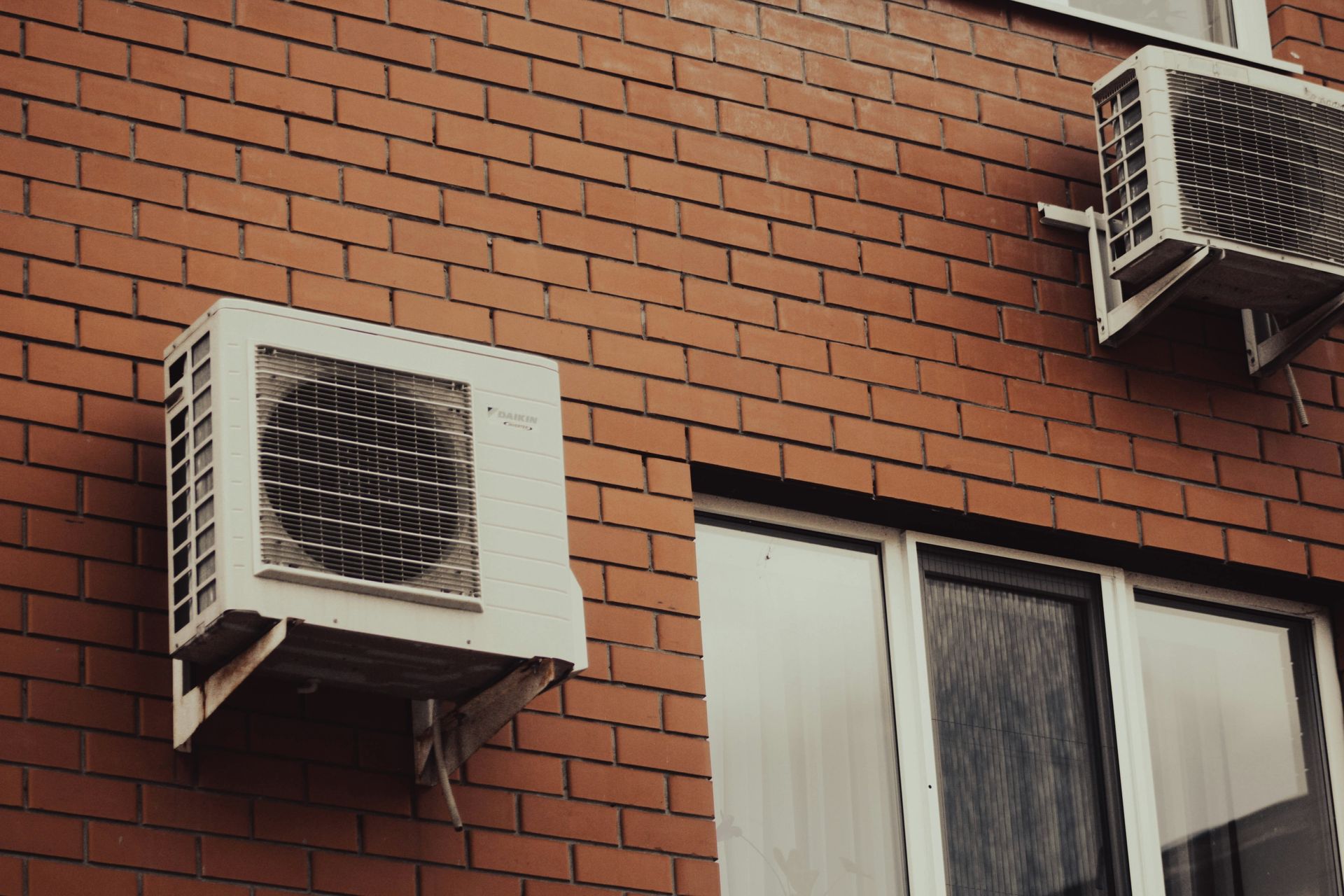
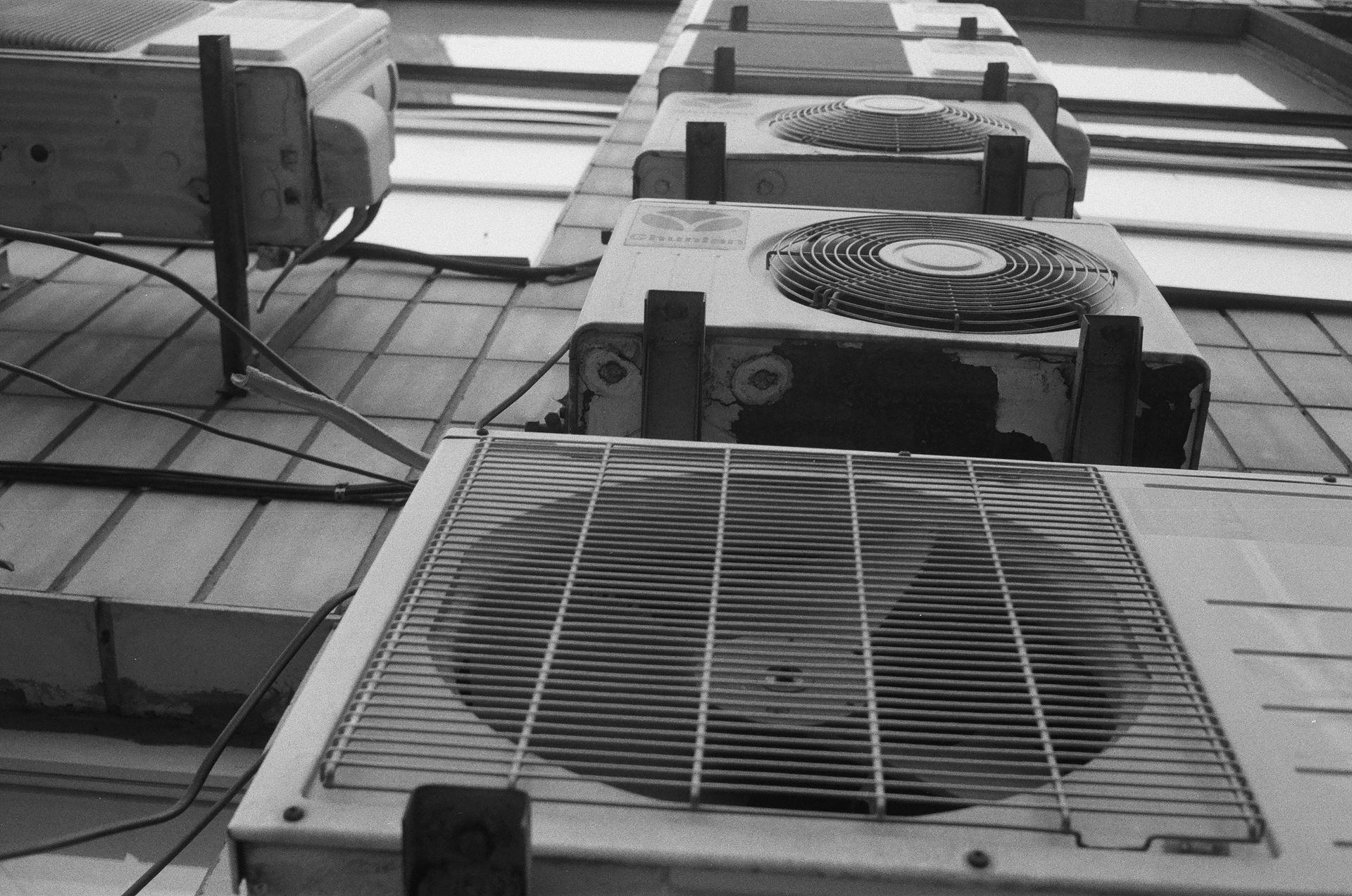
Not every property has the same upgrade path. Residential homeowners evaluating energy-saving cooling systems typically weigh upfront equipment costs against projected monthly savings, factoring in the age of existing ductwork and the size of the space being conditioned. For light commercial properties, the calculation also includes operational uptime requirements and the cost of climate-related productivity loss. Modern systems designed to upgrade to efficient heating and cooling offer variable-speed technology, improved humidity control, and quieter operation compared to older single-stage units. Each of these factors contributes to a better overall environment and a more predictable utility budget. The right choice depends on the specific mechanical profile of your property, which is why a thorough diagnostic review matters before any equipment decision is made.
Long-Term Value
What to Expect After an Efficiency Upgrade
The most immediate benefit most property owners notice after upgrading to a high-efficiency system is a reduction in energy bills. In Jacksonville's climate, where cooling systems run for a significant portion of the year, even a moderate improvement in SEER2 rating can produce meaningful savings over a 12-month period. Beyond cost, upgraded systems tend to maintain more consistent temperatures, reduce humidity fluctuations, and cycle less frequently, which extends equipment lifespan. For commercial operators, fewer unplanned service calls and more stable indoor conditions contribute directly to business continuity. Efficiency upgrades are not simply a comfort improvement; they are a long-term infrastructure investment that pays returns across the life of the equipment.
Our Approach
Precision Installation for Maximum Performance
A high-efficiency system only performs as intended when it is sized correctly and installed with precision. Oversized equipment short-cycles, failing to properly dehumidify the space and wearing out components faster than expected. Undersized equipment runs continuously without reaching setpoint, negating the efficiency gains the upgrade was meant to deliver. Our process begins with a detailed evaluation of your existing system, ductwork condition, and property load requirements before any recommendation is made. This approach ensures that the energy-saving cooling systems we install are matched to the actual demands of your space, not just the nearest available unit size. For Jacksonville properties of all types, that level of technical care is what separates a successful upgrade from a costly mistake.
Common Questions
Energy-Efficient HVAC Upgrades: What You Need to Know
How do I know if my current HVAC system is inefficient enough to justify an upgrade?
The clearest indicators are rising energy bills without a change in usage habits, a system that runs almost continuously without reaching the set temperature, frequent repair calls over the past two years, and equipment that is ten or more years old. Older systems often operate well below current SEER2 efficiency standards, meaning they consume significantly more energy to deliver the same cooling output as a modern unit. A diagnostic evaluation of your existing system can quantify the performance gap and give you a concrete basis for comparing the cost of continued operation against the cost of an upgrade.What is a SEER2 rating and why does it matter for a Jacksonville property?
SEER2 stands for Seasonal Energy Efficiency Ratio 2, and it measures how much cooling a system produces relative to the energy it consumes over a full season. A higher SEER2 rating means the system uses less electricity to achieve the same result. In Jacksonville, where cooling systems operate for a large portion of the year, even a modest improvement in SEER2 rating can produce noticeable reductions in monthly utility costs. SEER2 replaced the older SEER standard and uses a testing protocol that more accurately reflects real-world installation conditions, making it the current benchmark for comparing equipment efficiency.Is a high-efficiency system worth the higher upfront cost compared to a standard unit?
For most Jacksonville properties, yes, particularly when the cooling season is long and the existing system is already underperforming. The higher purchase price of a high-efficiency unit is typically offset over time by lower monthly energy costs. The length of the payback period depends on factors including the efficiency gap between the old and new system, the size of the property, and how many hours per year the system runs. Residential homeowners and commercial operators with larger conditioned spaces generally see the strongest return because their baseline energy consumption is higher, meaning the savings from improved efficiency accumulate faster.Does the condition of my ductwork affect how well a new high-efficiency system performs?
Yes, significantly. A high-efficiency air conditioning system can only deliver its rated performance when the distribution system it connects to is in good condition. Leaky, undersized, or poorly insulated ductwork allows conditioned air to escape before it reaches the living or working space, forcing the new equipment to work harder than its design intends. Before completing any efficiency upgrade, a ductwork assessment helps identify whether the existing distribution system will support the new equipment or whether repairs are needed to capture the full benefit of the upgrade.Can a high-efficiency upgrade also improve heating performance, not just cooling?
Yes. Many modern systems are designed to handle efficient heating and cooling together, particularly heat pump systems, which manage both functions within a single unit. In Jacksonville's climate, where winters are mild, a heat pump is often a practical and efficient choice for year-round comfort. These systems transfer heat rather than generating it through combustion, which typically makes them more efficient for heating than traditional furnace-based systems in moderate climates. If your current setup includes separate heating and cooling equipment, a combined high-efficiency system may simplify your infrastructure while improving performance on both sides.What role does proper equipment sizing play in getting the most out of an efficiency upgrade?
Sizing is one of the most critical factors in whether an efficiency upgrade actually delivers its projected benefits. An oversized system short-cycles, meaning it reaches setpoint quickly and shuts off before completing a full dehumidification cycle, which leaves indoor air feeling clammy even at the correct temperature. An undersized system runs continuously without reaching setpoint, driving up energy consumption and accelerating wear on components. Correct sizing is determined by a load calculation that accounts for the square footage, insulation levels, window area, and occupancy of the specific property, not simply by matching the tonnage of the unit being replaced.Are there differences between residential and light commercial efficiency upgrades?
The core principles are the same, but light commercial upgrades involve additional considerations. Commercial properties typically have larger and more complex mechanical systems, including rooftop units, multi-zone configurations, and higher occupancy loads that affect equipment selection. The operational stakes are also different; for a business, an HVAC failure affects employee productivity and customer comfort in ways that have direct financial consequences. Commercial efficiency upgrades are evaluated with those factors in mind, focusing on operational uptime and load management in addition to the energy savings that are the primary driver for most residential upgrades.
REVIEWS
Real Results from Jacksonville Property Owners